
The Endangered Species Act of 1973 creates a list of species and their classifications and prohibits actions that “harass, harm, pursue, hunt, shoot, wound, kill, trap, capture, or collect” plants and animals on the verge of extinction. This policy is enforced by the US Fish and Wildlife Service and the National Oceanic and Atmospheric Association (NOAA). On the 17th of April 2025, in accordance with the Trump Administrations Executive Order titled, “Unleashing Prosperity Through Deregulation,” NOAA and US Fish and Wildlife Service officials proposed the recension of the current definition of “harm” under the Endangered Species Act of 1973. Currently the definition is as follows: “Harm in the definition of `take’ in the Act means an act which actually kills or injures wildlife. Such an act may include significant habitat modification or degradation where it actually kills or injures wildlife by significantly impairing essential behavioral patterns, including breeding, feeding or sheltering.”
Under the proposed rule, the document provides background for this proposed change that includes a comment from Antonin Scalia in his dissention of Babbitt v. Sweet Home Chapter of Communities for a Great Oregon. The case upheld 6-3 that harm should include habitat modification, however Justice Scalia, who was joined by Justice Rehnquist and Justice Thomas wrote in his dissent, “if `take’ were not elsewhere defined in the Act, none could dispute what it means, for the term is as old as the law itself. To `take,’ when applied to wild animals, means to reduce those animals, by killing or capturing, to human control.” As well, the document references the 2024 Loper Bright Enterprises v. Raimondo supreme court case, which overturned the Chevron doctrine upon which the Sweet Home decision was founded. The Chevron doctrine said that the federal court must defer to the U.S. agency’s interpretation of the statute, but the proposal claims that its overturning combined with Trump’s executive order titled “Unleashing Prosperity Through Deregulation” demands a reformulation of the definition of harm – likely one that excludes habitat modification and degradation.
With this background provided, particularly with the proposal citing Executive Order 14192 as its reason for existence, it is essentially a proposal to allow habitat modification, including the degradation a species essential habitat for feeding, nesting, and sheltering, to the habitat of endangered species. This comes as the Trump Administration has proposed allowing mining, drilling, and logging operations on public lands that have previously enjoyed protection under federal law. To learn more about these operations, read my previous article here.
The Effects of Habitat Degradation, Fragmentation, and Destruction on Wildlife
As an environmental science teacher, I’ll be happy to provide any reader with a more robust understanding of the ecological consequences resulting from habitat modification. Habitat preservation, management, and restoration are integral to preventing further harm to endangered species. Species must have adequate food, water, shelter, and space (the definition of a habitat) in order to survive. Degradation of that habitat, mining run off creating toxic chemicals in a river for example, could either result in the death of a species which lives in that aquatic habitat or uses it as a water source. Furthermore, these disturbances disrupt the food chain. If you kill a significant number of trout in a stream that feed raptors like bald eagles, both populations will be significantly impacted.
Fragmentation of a habitat, which occurs when a habitat size is reduced or broken up by infrastructure or mining and logging operations, also significantly impacts wildlife. Fragmentation reduces the amount of space a species has access to for finding food, reproducing, and taking shelter. Because the size of its habitat is reduced, it may try to cross through infrastructure, such as roads, or – in this case – mining operations, which can result in the death of an animal. Think deer or turtles trying to cross a busy highway to reach the habitat on the other side. One can only imagine the danger that quarries and heavy machinery present in mining operations may pose to wildlife. But this doesn’t just apply to animal species. The reproduction of plant species through pollination is also interrupted by fragmentation because the more distance between the members of two species the lower the success rate of pollination and, thus, reproduction.
Finally, destruction of a habitat, which occurs when a habitat can no longer support life, has obvious consequences. Strip mining operations, which removes trees and vegetation that acts as shelter and food for wildlife and dig deep into the soil until they reach the minerals beneath, do damage to habitats that can only be repaired over hundreds of years. By removing nutrient rich topsoil and old growth that has been achieved over hundreds of years without human disturbance, a habitat is set back hundreds if not thousands of years. Furthermore, due to outdated mining regulations that do not require mining companies to clean up sites after a lease of public lands, infrastructure that is left there will remain as destroyed and unsuitable habitat for wildlife. It is impossible to separate habitat degradation, fragmentation, and destruction from “harm” as it means to remove or “take” a species from its habitat, primarily because we know from an ecological perspective that this will result in the deaths of species that call that habitat home.
What Threatened Species Will Be Impacted?
The map below shows proposed mining sites on public lands. I have broken down what species would experience the effects of mining, drilling, and logging operations in Bears Ears National Monument, The Boundary Waters Rainy River Watershed, Tongass National Forest, and the Arctic National Wildlife Refuge.

Bears Ears National Monument
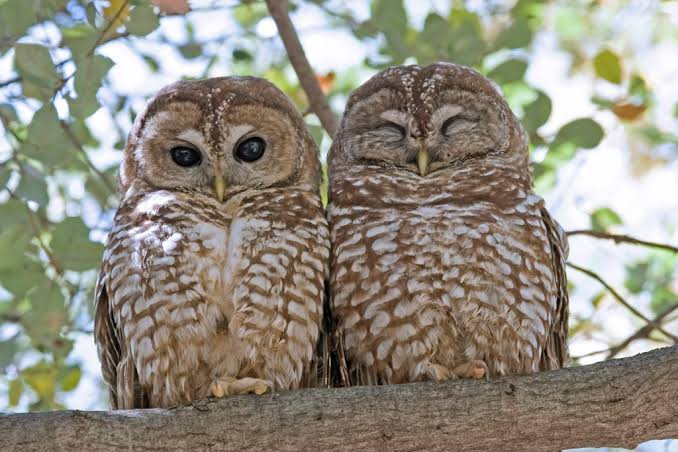
Bears Ears National Monument is the proposed site for a Uranium mining operation, as the Trump Administration seeks to redraw the boundaries of the National Monument, something Trump did in his first term as well. Bears Ears, which is a sacred site to many southwestern Native tribes, is managed with the Bureau of Land Management (BLM) and Bears Ears Inter-Tribal Coalition. In addition to several imperiled plant species and plant species that can only be found in this habitat, the following are a few animal species on the Endangered Species List and their classifications.
- California Condor: Critically Endangered
- Mexican Spotted Owl: Threatened
- Gunnison/Utah Prairie Dog: Endangered
- Southwestern Willow Flycatcher: Endangered
The Boundary Water: Rainy River Watershed
Embed from Getty ImagesThe Rainy River Watershed is a protected area of public land located in the Superior National Forest. It is also the target of a sulfide-ore copper mining operation, which would likely lead to contamination of the Boundary Waters with heavy metals and acids. Because these waters connect to 1,000 lakes, the consequences of contamination would be far reaching. The Boundary Waters are home to Moose and Lake Sturgeon, both species classified as Special Concern in the state of Michigan, which depend on aquatic habitats. Furthermore, there are three species federally classified as Threatened which call this habitat home:
- Canada Lynx: Threatened
- Grey Wolf: Threatened
- Northern Long-Eared Bat: Threatened
Tongass National Forest
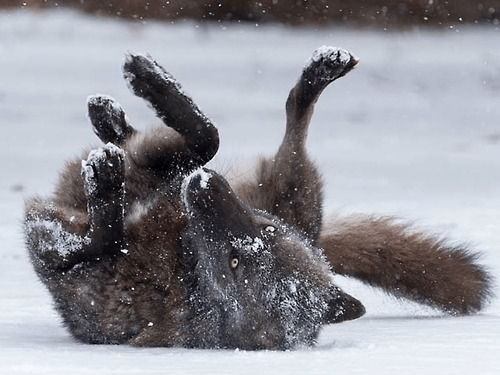
The Tongass National Forest is the largest temperate rainforest in the world, but it won’t be for long. The National Forest Service has already approved a project that would allow logging companies to cut down 430 acres of old-growth trees. There are no federally recognized endangered species in the Tongass National Forest, however the Alexander Archipelago Wolf and the Prince of Wales Northern Flying Squirrel, which experience threats due to logging, have been considered by the US Fish and Wildlife Service for federal Threatened or Endangered status.
Arctic National Wildlife Refuge
Embed from Getty ImagesThe Arctic National Wildlife Refuge is the northernmost and largest wildlife refuge in the US. It is located in the homelands of the Iñupiat and Gwichʼin peoples who depend upon its Porcupine Caribou herd for their traditional way of life. This herd’s calving grounds are currently being threatened by a plan to convert the coastal plain into a drilling site for petroleum. This species is currently classified as Threatened under the Endangered Species Act and is joined by the Spectacled Eider and Polar Bear that also call the Arctic National Wildlife Refuge home.
What You Can Do to Help
If you are reading this on or before 11:59pm on May 19th, 2025, you can leave a comment where the proposed rule change is posted on the Federal Register’s website to be considered in the rule change. Just follow the link here: Federal Register: Rescinding the Definition of “Harm” Under the Endangered Species Act. You can leave an anonymous comment but checking “Individual” and filling in your first and last name lets the US Fish and Wildlife Service and NOAA know that you are a concerned citizen and not just an interest group. Feel free to copy and paste the comment that I have provided below or form your own.
My Comment
I am a concerned US citizen who wishes preserve wildlife for future generations to enjoy and who cares deeply about a robust interpretation of the Endangered Species Act of 1973. I am writing to express my input on a change to the interpretation of “Harm” as it references “Take” in the wording of the Endangered Species Act of 1973. Because this law is in reference to ecological resources (endangered plant and animal species), an understanding of ecological principles is paramount in developing a legal definition of “Harm” under the Endangered Species Act. We know from an ecological perspective that harm to a species habitat in the form of habitat degradation, fragmentation, and destruction will result in harm to a species that calls that habitat home. This harm comes in the form of death and disruption of reproduction, which is caused by damage done to a species’ shelter, food and water sources, and disruption of access to mates. The current working definition of harm, which “may include significant habitat modification or degradation where it actually kills or injures wildlife by significantly impairing essential behavioral patterns, including breeding, feeding or sheltering.” is the most robust definition available with a clear legal understanding of the impact of habitat degradation. Under this definition, the Endangered Species Act of 1973 has fostered the comeback of species like our own American Bald Eagle – the very symbol of American freedom and prosperity. To change the approach that has protected so many species and allowed for their populations to come back to healthy levels would be to reverse the work hard-won by this nation’s predecessors. For this reason, I implore officials with the US Fish and Wildlife Service and National Oceanic and Atmospheric Association along with others in the current federal government to continue to include “significant habitat modification or degradation where it actually kills or injures wildlife by significantly impairing essential behavioral patterns, including breeding, feeding or sheltering.” in its definition of “Harm” under the Endangered Species Act of 1973.


 The Citrus Peel
Leave a reply to The Good, the Bad, and the Ugly in the GOP’s “One Big, Beautiful Bill Act” – The Citrus Peel Cancel reply